


How I learned to stop feeling guilty about cheating on my partner
How I learned to stop feeling guilty about cheating on my partner

Alex Croxford Wed, July 22, 2026 at 10:36 AM UTC
0
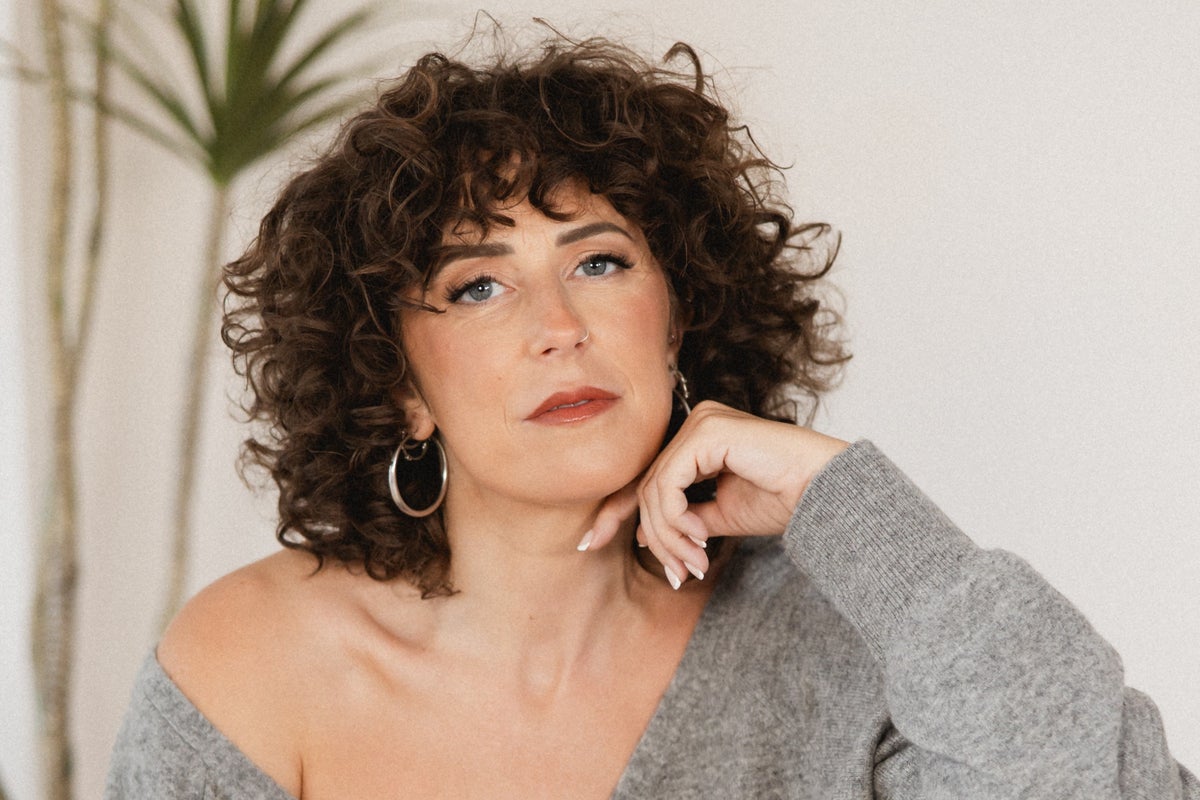
When I was 34, I had everything: a huge £40,000wedding in Norfolk, a fast-paced job as a TV executive, a husband who I’d adored since university, and a gorgeous house in London. Then one night, in the very first year of marriage, I decided to blow my life up and cheat.
The guilt was debilitating. We never even slept together but I didn’t understand how I’d let myself get involved with another man at all. It felt like a drunken mistake that just kept happening. After the first time, I woke up desperate to understand what I’d done. I loved my husband and I didn’t want to leave him – but the infidelity was addictive. Amid the confusion and shame, I was like a giddy teenager. All in all, it took me six months to finally end it, because something was missing in my marriage. Now I felt scared – and very alone.
My husband and I had been trying, unsuccessfully, for a baby. I’d been diagnosed with PCOS and, after coming off the contraceptive pill, my periods were completely irregular. Having a child was the only thing in my life that I couldn’t achieve by working harder; a situation that I couldn’t control by being perfect. I held it together; I was strong – I never confided in my friends that I was hurting. So, I partied hard on the weekends to ease off the pain. I’d buy expensive handbags and shoes, work longer hours, control my calories, and go to the gym five times a week. And, when nothing else worked, I was unfaithful.
There was a running joke in my friendship group: “Where is your husband?” It would be the same thing over and over again. He was studying for exams. He’d been working through career qualifications for years and it was getting to a really crucial point towards the end of those studies. So, until it was over, our marriage was on hold – we were living very disconnected lives, like two ships in the night, all the time. I never really spoke out about how hard I was finding that. I thought that I didn’t have any right to. He was going through something difficult, and he was a good guy who treated me well.
We’d just spent £100,000 on a huge house extension and were still going through IVF, which – thankfully, looking back now – never worked. The pressure to stay in the relationship and make it work was so big, and at that point I had no idea I wanted to leave my marriage at all. It was easier for me to just be the easy-breezy wife, who doesn’t want or need anything.
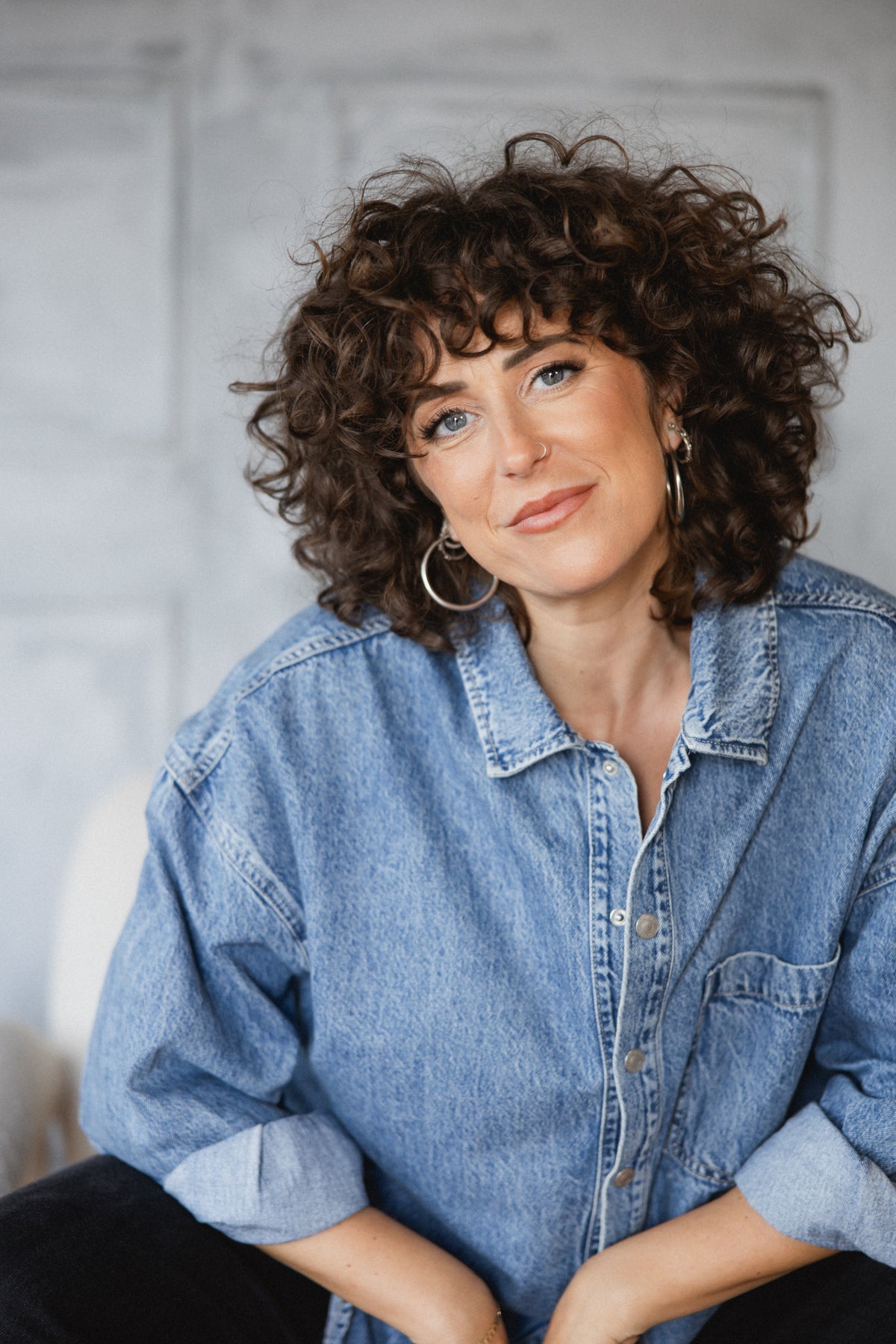
‘We were living like two ships in the night’: The relationship expert and her husband had no emotional intimacy (Bry Penney)
After a year of trying to forget my mistake, I was deteriorating mentally. My brain was so loud that it felt like I was going mad. My heart had a weight on it all the time, and I felt like I couldn’t breathe. I knew I needed some help, but I didn’t think that I needed therapy. Then, I saw this woman on Instagram, who called herself a transformational coach, and was speaking about emotions and grief so openly that I felt like she was speaking a different language. I’d never spent money on personal development before, but I quickly grabbed my card and stumped up £800 for her upcoming weekend retreat in the hope it would help me.
When I arrived, it was like walking into a parallel universe: crystals everywhere, sage burning, yoga mats on the floor, sheepskin rugs to sit on, and this healing, meditative music playing. As soon as I sat down, I started crying. I’d never been that vulnerable before. But, somehow, at this retreat among 20 women I’d never met, I finally spoke about my feelings. I realised, in sessions with her over the course of a year, that I’d been hiding the messy parts of myself from everyone who loved me. I needed to be a perfectly put-together high achiever to deserve their affection. At my core, I was scared of rejection and abandonment but after blowing up my perfect life, who was I? Not the person anyone thought I was.
The Covid pandemic hit and suddenly we couldn’t hide from each other anymore. My husband had finished his exams, IVF had failed in 2019, the extension was complete, and it was just us, alone, sitting in this big house, childless and completely disconnected.
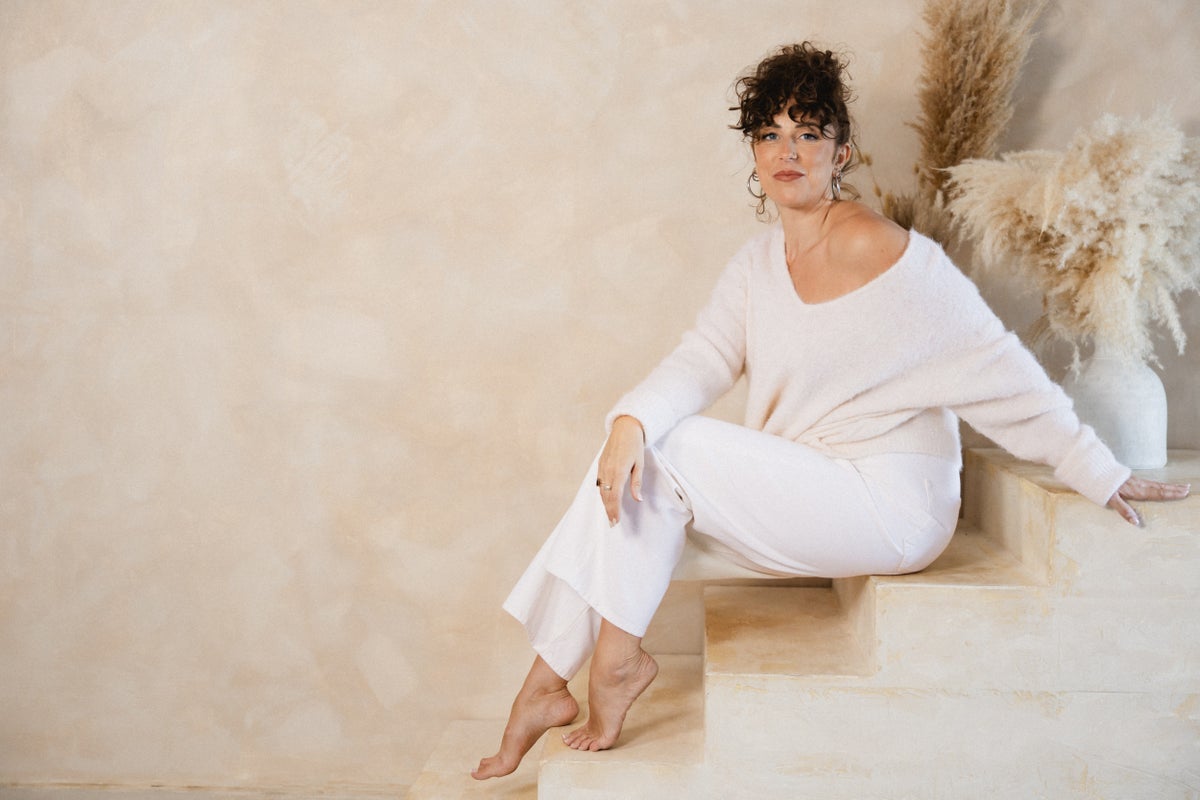
’I spent £800 on a personal development weekend’: Croxford searched for answers everywhere she could (Bry Penney)
I blurted out the truth on the summer solstice of 2020, after harbouring my secret for two years. I’d realised that I’d abandoned my needs, my wants, to keep my husband happy. I’d been avoiding conflict – but I couldn’t do it anymore. I couldn’t live with the secret and it wasn’t fair on him. I’d tell the truth and he could decide if he wanted to be with me. Even in the initial depths of hell of his heartbreak and betrayal, I knew that it was the right thing to do.
Advertisement
Over the next year, I fell into a depression. I moved out of our home and said I’d move back in three weeks later. But we realised we weren’t ready to co-habit again. I got my own flat for five months nearby and continued to date him.
We began weekly couples therapy – that’s where we realised there was no emotional intimacy in our marriage. At this point, I moved back in, finally plucked up the courage to tell him I still loved him – and he couldn’t say it back.
I had this vision of my younger self in my mind: so thin, so lost, so lonely, and totally unaware of who she was
Throughout those 12 excruciating months, I cried every single day. It just felt so dark, so impossible to fix, that I wanted to end my life because it would be easier than what I was feeling. I was feeling every ounce of sadness that I hadn’t let myself feel throughout my life – and I never went to the doctor. I felt like I had to suffer for what I'd done. I did anything and everything I could to make him feel better, but I couldn’t forgive myself.
I’d gone to therapists, breath work facilitators, energy healers, and acupuncturists. You name it, I did it. I’d surrounded myself with an army of professionals to try and get myself through, until one day I realised I couldn’t keep going in the hope that he was going to love me again. “This is awful. Why are we putting ourselves through this?” I asked him. And he said: “Because we’re married.” The next time we went to couples therapy, I said I couldn’t do it anymore and we amicably decided to divorce.
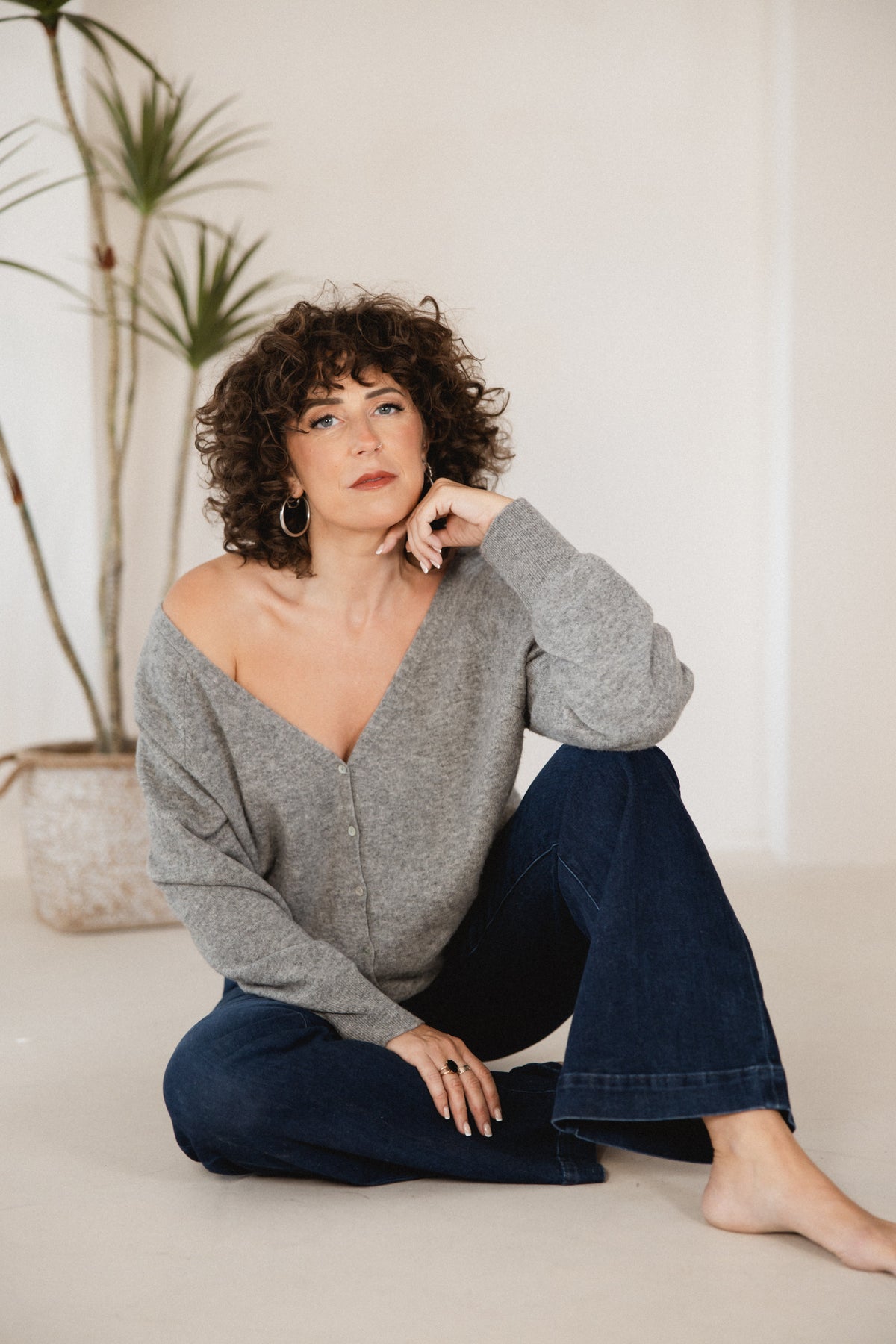
‘They’re experiencing trauma too’: The infidelity expert now helps other women process the guilt of being unfaithful to their partners (Bry Penney)
Even after our marriage ended, I still had waves of guilt and shame come over me. But after another year of therapy, body-based work and holistic treatment, those feelings slowly, finally, started to fade. I had this vision of my younger self in my mind: so thin, so lost, so lonely, and totally unaware of who she was. She was in so much pain and grief that she didn’t know how to feel. That image helped me feel forgiveness for that version of me. I’d been searching for something and I looked in the wrong place. After that, I could let go of what I’d done.
Now, as a relationship coach and infidelity expert, I help other women like me, who’ve been unfaithful to their partners after years of neglecting their own needs. Every person who books an appointment is in total devastation and shock. They’re experiencing trauma, too, but they don’t think they have the right to feel anything, because they did something wrong – and that’s probably the story that’s been running the show for their whole lives.
Guilt keeps you stuck feeling like a bad person – but it doesn’t make you take accountability for what you’ve done. To do that, you need to understand on a deeper level what led you to blow up your perfect-looking life and hurt someone you loved. It’s not just that you’re a terrible or broken person. When you understand yourself on a deeper level, the guilt will eventually leave – but the responsibility to break those patterns in love stays.
As told to Lydia Spencer-Elliott
If you are experiencing feelings of distress, or are struggling to cope, you can speak to the Samaritans, in confidence, on 116 123 (UK and ROI) or visit the Samaritans website to find details of your nearest branch.
If you are based in the USA, and you or someone you know needs mental health assistance right now, call or text 988, or visit 988lifeline.org to access online chat from the 988 Suicide and Crisis Lifeline. This is a free, confidential crisis hotline that is available to everyone 24 hours a day, seven days a week. If you are in another country, you can go to www.befrienders.org to find a helpline near you
Source: “AOL Entertainment”
