


One of the World’s Most Prized Delicacies Is Becoming Harder to Find — and Harder to Afford
One of the World’s Most Prized Delicacies Is Becoming Harder to Find — and Harder to Afford

Leigh Kunkel, Leigh KunkelFri, November 13, 2026 at 1:01 AM UTC
2
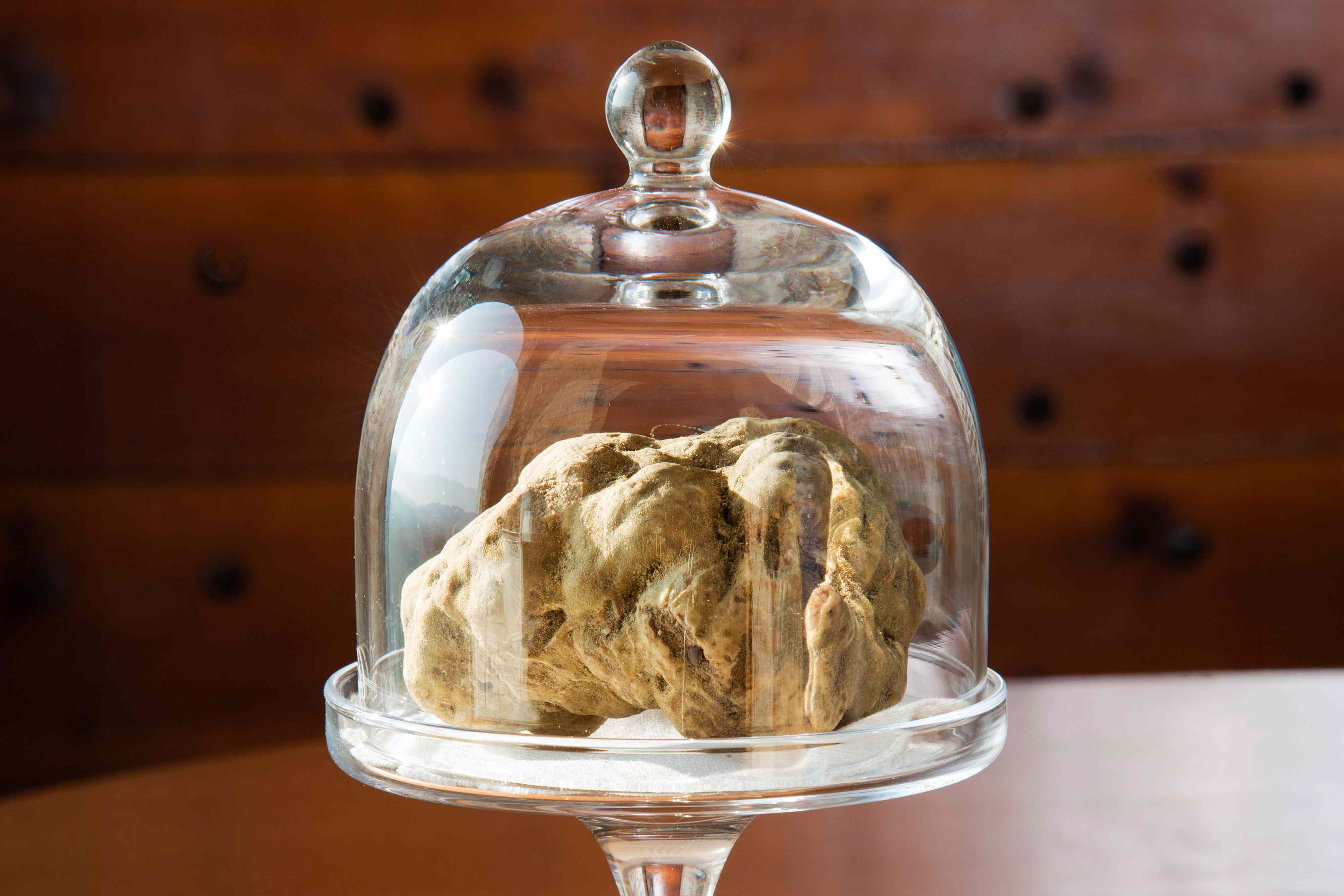
From Croatia’s forests to American restaurant kitchens, the effects of hotter, drier summers are changing how truffles are harvested and served.Credit: muri30 / Getty ImagesKey points -
Climate change is threatening truffle harvests in northern Italy and Croatia, where rising temperatures and prolonged droughts are reducing yields, particularly of prized white truffles.
As truffles become scarcer and more expensive, restaurants may raise prices, remove truffle dishes from their menus, or turn to preserved alternatives like truffle oil.
Truffle producers are exploring sustainable cultivation methods, including planting oak trees and using rainwater capture systems, to protect future harvests.
For generations, residents of northern Italy and Croatia have taken their dogs into the forest to hunt an elusive prize — the truffle. These umami-packed fungi are prized by chefs and home cooks for their ability to give almost any dish a deep, savory backbone. Black truffles are generally easier to come by than their white counterparts, and the most sought-after white truffles can fetch thousands of dollars per pound.
Now, hotter, drier summers are changing what hunters bring back from the forest. Truffle purveyors are seeing fewer white truffles, while chefs in the United States are reconsidering when to put them on the menu.
What dry summers mean for truffles
Truffles grow underground, often among the roots of oak or hazelnut trees, where the delicate alchemy of soil conditions is paramount to their success. In recent summers, northern Italy and Croatia have both seen stretches of 40 or more days without rain. Research has linked summer drought to declining harvests of Mediterranean black truffles, and projections suggest that hotter, drier conditions could further reduce yields by the end of the century.
What is the difference between black and white truffles?
Alba white truffles (Tuber magnatum) and Périgord black truffles (Tuber melanosporum) are two species in the same genus, Tuber. Other species also go by the names black or white truffle.
Alba white truffles have a pale ivory to light brown exterior and a heady, musky aroma; they are harvested between September and December, most famously in Italy’s Piedmont region.
Périgord black truffles have a dark brown to black exterior and a pungent aroma. Harvested primarily in winter, they have long been associated with France and Spain, though they are cultivated elsewhere.
Josh Bostic, executive sous chef at the Croatian-inspired Rose Mary in Chicago, first noticed the effects of climate change in the shape of the truffles his purveyor sent: flat, like a burger patty, instead of the typical rounded, craggy nuggets.
“Because it stays warm, the soil stays dry and hard instead of soft and cool,” Bostic explains. “The truffles couldn’t grow long like they normally would.”
Related: Everything You About Truffles
Višnja Prodan Jekić of Prodan Tartufi, a family-run truffle-hunting and distribution business in Croatia’s Istria region, has experienced the visual changes firsthand. But she cautions that the quality is otherwise unchanged. “ Sometimes these differently shaped truffles aren’t appreciated by the chefs,” says Jekić. “But the shape has nothing to do with the smell or flavor or quality.”
That’s if they grow at all. What Jekić finds most worrisome is the number of white truffles they harvest, which has fallen sharply in recent years as growing conditions have become less predictable.
Why some chefs are passing on white truffles
The United States is the world’s second-largest truffle importer, with a market value of over $175 million and growing demand year over year. With truffle prices already high, a smaller harvest can make fresh truffles harder and more expensive for restaurants to source. Diners may see that reflected in the price of a truffle-topped dish — or see it disappear from the menu altogether.
Advertisement
“We are very fortunate to work with very good chefs who have a lot of understanding for the nature of our job,” Jekić says. “They understand that truffles are a natural product and a hundred percent dependent on the amount of rain we receive. But sometimes it’s still difficult to explain why we don’t have the truffles they ordered, or why they’re not all round and perfectly shaped.”
Related: Climate Change Is Making White Truffles Harder to Find
But until prices come down, some restaurants are getting out of the truffle game entirely, says Christopher Cipollone, chef and owner of Francie in Brooklyn. Over the last few years, fluctuations in truffle availability and price have rippled through his menu planning.
“I won’t even use white truffles if they are exorbitantly priced,” Cipollone says. “I think guest perception of value has changed and I also do not feel right charging $180 for a bowl of pasta.” No matter how special the ingredient, he says, guests will hit a threshold of what they’re willing to pay.
What the next truffle harvest could look like
Those in the truffle industry are focused on continuing to grow in a sustainable way. This year’s International Alba White Truffle Fair in northern Italy includes programming like Tuber Next Gen, a series focused on “regional policies, Rural Development measures and local best practices aimed at protecting and enhancing the truffle heritage for future generations.”
While white truffles remain difficult to cultivate, growers in the United States and abroad have had more success cultivating black truffles.
Related: Entire White Truffle 'Orchards' Could Be Possible, New Research Finds
“This year we planted a hundred and forty oak trees,” says Jekić of Prodan Tartufi. They’ll nurture the trees using a rainwater capture system that they hope will provide a more regular watering schedule for the finicky fungi.
“We will see the first results in about five or six years — these trees should give truffles,” Jekić said. They hope to harvest both black and white truffles in the newly planted forest.
In the meantime, Bostic expects some restaurants to lean more on products such as truffle oil, which keeps longer than fresh truffles. “Dishes will center on things like truffle oil, which is more shelf-stable, and will give the effect of truffles,” he says. “Unfortunately it’s just not as good as the real thing.”
For Jekić, planting oaks and collecting rainwater are ways to give future harvests a better chance. “If we want to change things, we have to take it into our own hands and do at least one part of the truffle cultivation to be sure that we have something to harvest next season.”
on Food & Wine
Source: “AOL Breaking”
