


Security experts say don't throw out a boarding pass, even after a flight
Security experts say don't throw out a boarding pass, even after a flight

Michael Salerno, USA TODAY NETWORKWed, July 15, 2026 at 9:48 PM UTC
0
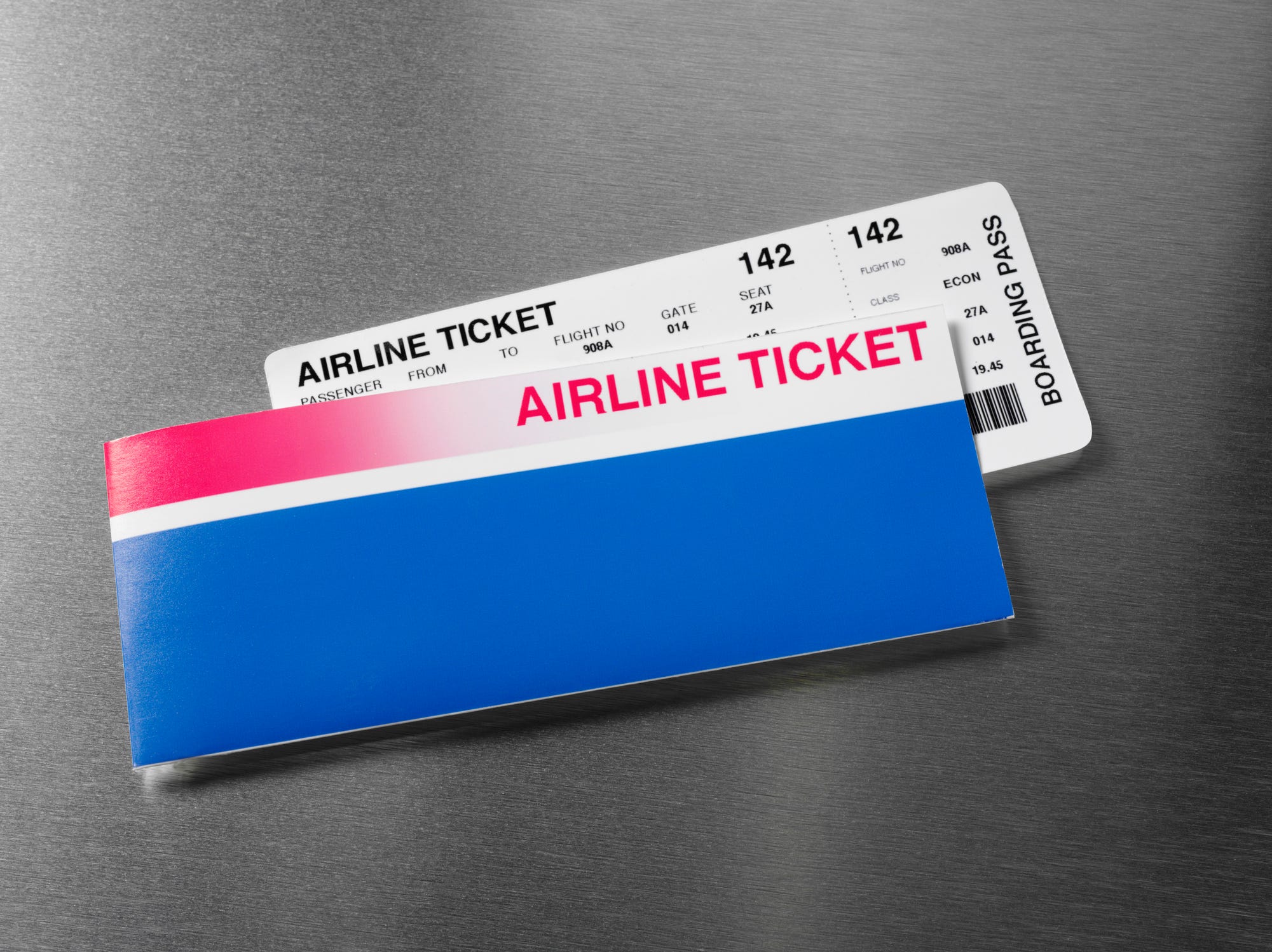
Your boarding pass may seem like it just holds the key to entering an airplane, but it actually contains much more than just your seat and gate number.
A boarding pass also includes details about travelers and where they're headed. Not only that, but boarding passes also include unique alphanumeric codes that identify reservation details, acronyms identifying a passenger's place in boarding and letters used to identify a passenger's fare class.
And there's the code that flyers dread seeing: SSSS, which means they'll get additional security screening.
Here's what air travelers should know about the codes on their boarding passes and why they shouldn't simply throw out their tickets after a trip.
What do codes on boarding passes mean?
These are some of the most common codes seen on airline boarding passes:
SSSS: Secondary Security Screening Selection. These letters mean the passenger has been selected for additional screening, which can include luggage searches, pat-downs, and additional questioning at the TSA checkpoint.
PNR: Passenger Name Reference. It's an alphanumeric code used to uniquely identify a passenger's itinerary and basic information. Travelers need their PNR to look up information about their flights.
ET or ETKT: Electronic Ticket. Some airlines use these acronyms instead of PNR to list the code that contains information about a passenger's itinerary.
FQTV: Frequent Traveler. This code indicates that the traveler is registered with the airline's frequent-flyer or loyalty program.
SEQ or SEQ NO: Sequence number. It indicates the passenger's boarding place. Flyers discussing the code on the travel website FlyerTalk said the most coveted sequence code is "SEQ 001," which means the passenger is the first to board.
BCBP: Bar-Coded Boarding Pass. It's a bar code that contains passenger information and is scanned to board a plane. The International Air Transport Association sets standards for bar codes on boarding passes, outlined in a lengthy guide; these include the size of the code, its readability, and securing codes for fraud prevention.
S/O: Stopover. The flight includes a layover in one or more airports.
SPTC: Stopover Paid by the Carrier. This means the flight includes a layover that lasts longer than a few hours. It also signals overnight accommodations may be included.
A or F: Indicates a first-class ticket.
J: Business Class. It indicates that the passenger's ticket is for a full-price business-class fare.
Y: Economy Class. Most airlines use this code to indicate the passenger is in economy class.
What triggers SSSS?
The TSA does not publish guidance that explains why people are selected for secondary screening. Anecdotal evidence suggests people are selected for various reasons, which can include:
Advertisement
Unusual or suspicious travel patterns.
Mistaken identity, often because the passenger's name appears on a TSA watchlist.
One-way international flights.
Last-minute flights.
Purchasing tickets using cash.
Traveling to destinations flagged by the U.S. Department of State as high-risk destinations. Some places are more likely to trigger SSSS than others; The Points Guy wrote that it comes up frequently when traveling to and/or from Turkey.
Behavior at the airport that the TSA thinks raises suspicions.
Random selection.
Is it okay to throw away boarding passes?
Travel publications like Condé Nast Traveler and security experts like Brian Krebs of KrebsOnSecurity urge travelers not to throw out paper boarding passes, even after their flight has ended.
Because a boarding pass contains so much personal information about a traveler, scammers who find discarded boarding passes can use that information to access their accounts. That's why travel and security experts also advise against posting photos of a boarding pass online.
Experts recommend flyers shred their paper boarding passes after using them, or board using their mobile phones instead.
Which airport is the best in Nevada?
The Harry Reid International Airport in Las Vegas was named not only the best airport in Nevada, but the third-best in the entire country, according to a recent study by AirHelp.
Michael Salerno is an award-winning journalist who’s covered travel and tourism since 2014. His work as The Arizona Republic’s consumer travel reporter aims to help readers navigate the stresses of traveling and get the best value for their money on their vacations. He can be reached at Michael.Salerno@gannett.com.
Carly Sauvageau, a Nevada Connect reporter with the USA TODAY Network, contributed to this story.
This article originally appeared on Reno Gazette Journal: Throwing out a boarding pass could harm your security, experts say
Source: “AOL Breaking”
