


The 10 weirdest spinoffs — and whether viewers tuned in
The 10 weirdest spinoffs — and whether viewers tuned in

Will HarrisThu, July 23, 2026 at 4:00 PM UTC
0
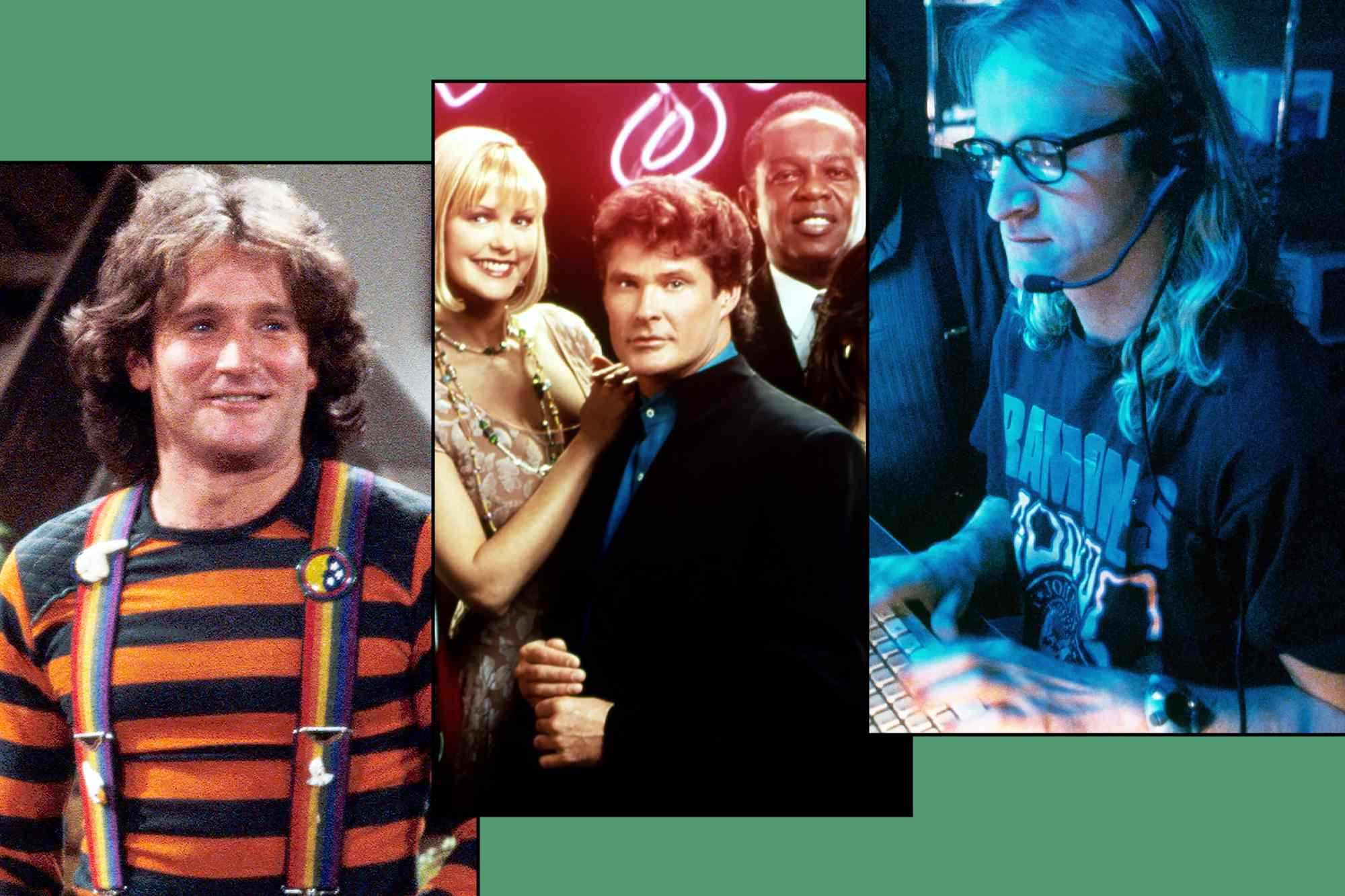
‘Mork & Mindy’; ‘Baywatch Nights’; ‘The Lone Gunmen’Credit: ABC Photo Archives/Disney General Entertainment Content via Getty; All-American Television/Courtesy Everett; David Gray/20th Century Fox/Courtesy Everett
When a show becomes successful, it’s only a matter of time before someone behind the scenes starts looking for a way to take one or more of the characters who aren’t necessarily a lynchpin of the series’ success and give them their own show. It’s standard practice, and in more than a few instances, the end result has outlasted the show that spawned it. Case in point: NCIS is still running, and JAG is long gone.
TV titan Chuck Lorre has found ample success doing the same with The Big Bang Theory, which he co-created and executive produced. In 2017, he helped develop a prequel, Young Sheldon, that ran for seven successful seasons and spawned a spinoff of its own, Georgie & Mandy’s First Marriage. Now, he’s pushing the boundaries of the Big Bang franchise with Stuart Fails to Save the Universe, an honest-to-goodness sci-fi spectacle that sends a slew of TBBT supporting characters — led by Kevin Sussman’s comic-book-store owner Stuart Bloom — on a multidimensional journey.
It’s a risk, to be sure. Will fans of The Big Bang Theory’s low-stakes hijinks follow these relatively minor characters into uncharted territory? Time will tell. In the meantime, however, we’re looking back at some of the more curious spinoffs of the past 50 years, ones that veered in surprising, unexpected, or downright weird directions.
Read on to learn about 10 of the weirdest spinoffs in TV history — and if audiences were willing to go along for the ride.
01 of 10
The Brady Bunch Hour (1976)
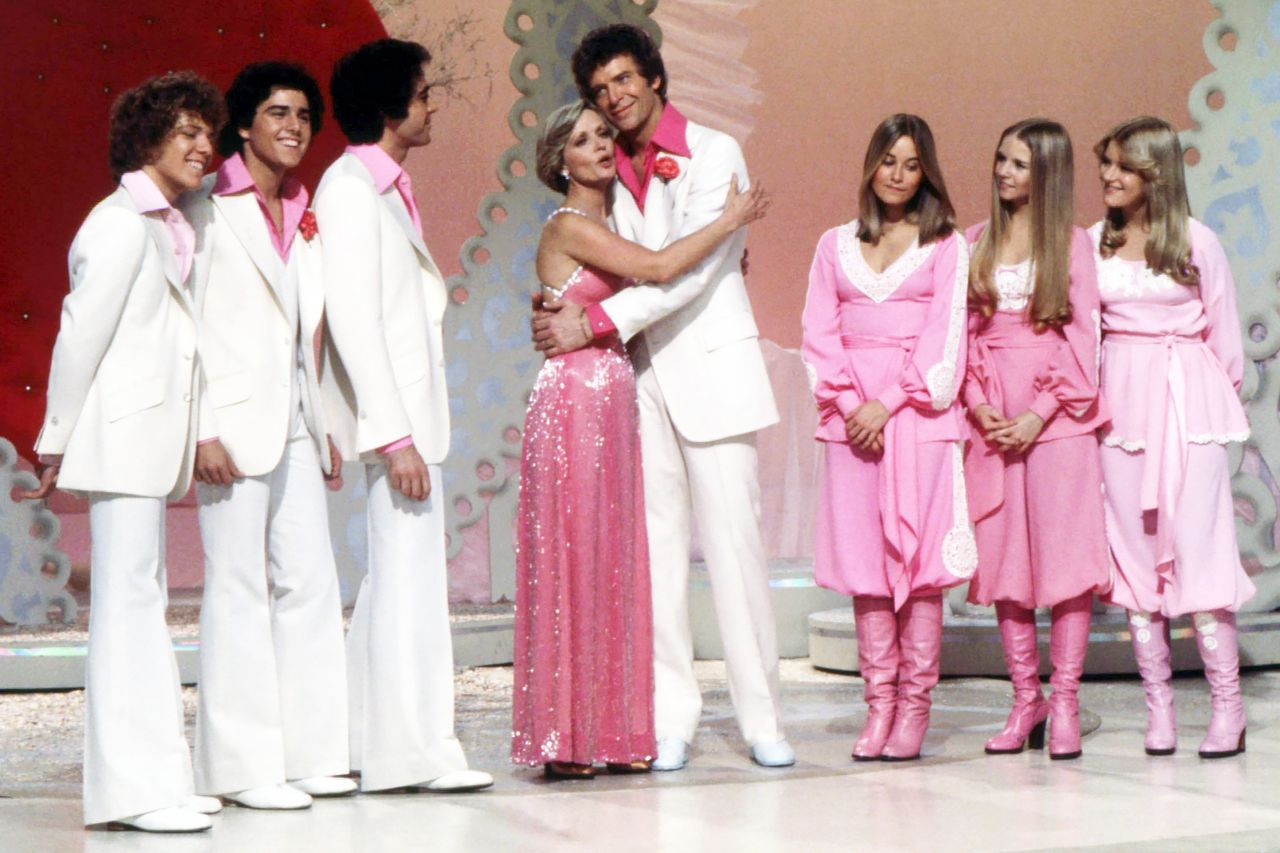
‘The Brady Bunch Hour’Credit: Courtesy Everett
Trying to explain the bizarreness of ’70s TV variety shows to someone who didn’t live through the decade is nearly impossible, but The Brady Bunch Hour is perhaps the single best example of just how weird things got.
A variety-show spinoff of the original half-hour sitcom, the program had the entire principal cast — minus Eve Plumb, a.k.a. Jan, who was replaced by Geri Reischl — reprise their characters under the premise that the Brady family had been chosen to star in a variety series for ABC. This led Mike Brady to set aside his architecture career and move the whole family to a beach house. Produced by Sid and Marty Krofft, the series was filled with singing, dancing, and swimming, courtesy of the Krofftettes, who performed dance routines and water ballet. Celebrity guest stars included Donny and Marie Osmond, Tony Randall, Lee Majors, Farrah Fawcett, Milton Berle, Tina Turner, Vincent Price, Charo, and many others.
Although it lasted only nine episodes, The Brady Bunch Hour remains a cult classic of kitsch. And while TV Guide placed it on its list of the 50 worst television shows of all time, it remains a must-see for fans of camp comedy with a disco flair.
02 of 10
Mork & Mindy (1978)
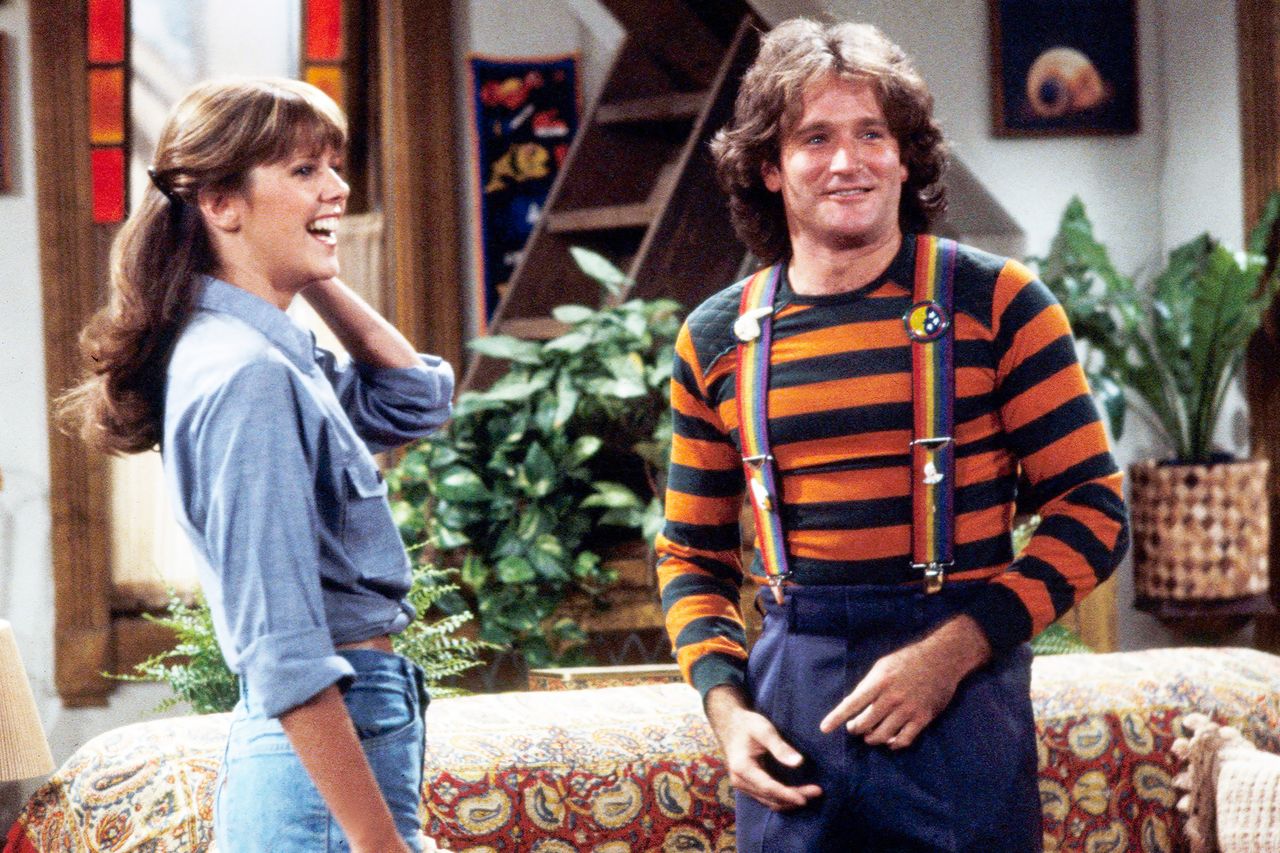
Paw Dawber and Robin Williams on ‘Mork & Mindy’Credit: ABC Photo Archives/Disney General Entertainment Content via Getty
By creating an installment of Love, American Style called “Love and the Television Set,” Garry Marshall set into motion a series of events that would lead to more spinoffs than any other TV series. That’s because the installment served as the backdoor pilot for Happy Days, a fact that became even more evident after it was retitled “Love and the Happy Days.” From there, the sitcom spawned a number of other series. The oddest, arguably, starred Robin Williams as Mork, an alien from the planet Ork who visited Milwaukee in the 1950s to study humanity.
Even though the episode was thoroughly bizarre by Happy Days standards, the character proved so successful that he was spun off into his own show, one that took place in the present and involved Mork returning to Earth — this time landing in Boulder, Colorado — and learning about humanity by befriending Mindy McConnell (Pam Dawber).
Thanks to Williams’ ridiculously quick wit, the series proved to be an instant success, and while it was often hindered by attempts to retool the show by adding new supporting characters, it nonetheless ran for a highly respectable four seasons.
03 of 10
Mrs. Columbo (1979)
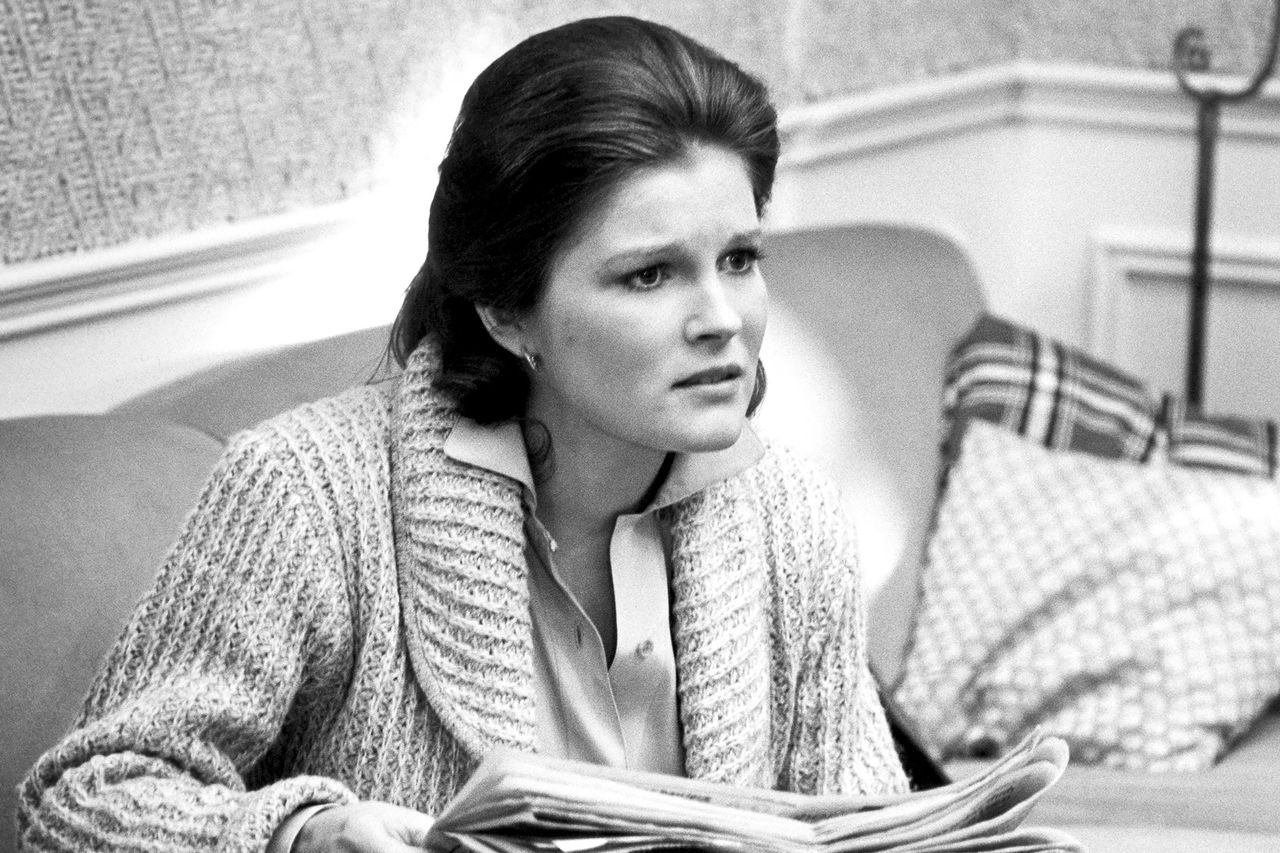
Kate Mulgrew on ‘Mrs. Columbo’Credit: Universal Television/Courtesy Everett
It began life as a Columbo spinoff — but before long, Mrs. Columbo was trying very hard not to be one. Throughout the run of Columbo, the titular police lieutenant played by Peter Falk often referenced his wife, but never by name. This spurred NBC executive Fred Silverman to push a spinoff revolving around the heretofore-unnamed Mrs. Columbo, casting Kate Mulgrew to play the character.
The idea of doing such a spinoff infuriated Falk, and making matters worse was the fact that Mulgrew would have been about 12 years old when the initial Columbo pilot, “Prescription: Murder,” first aired. As a result of Levinson and Link’s continued dissatisfaction, not only did Kate’s last name suddenly change to “Callahan” at the beginning of season 2, but the series changed its name... twice. (It bounced between Kate the Detective and Kate Loves a Mystery until NBC finally settled on the latter.) By the end of the second season, however, it didn’t matter what it was called: The ratings simply weren’t high enough to warrant renewal.
04 of 10
Beverly Hills Buntz (1987)
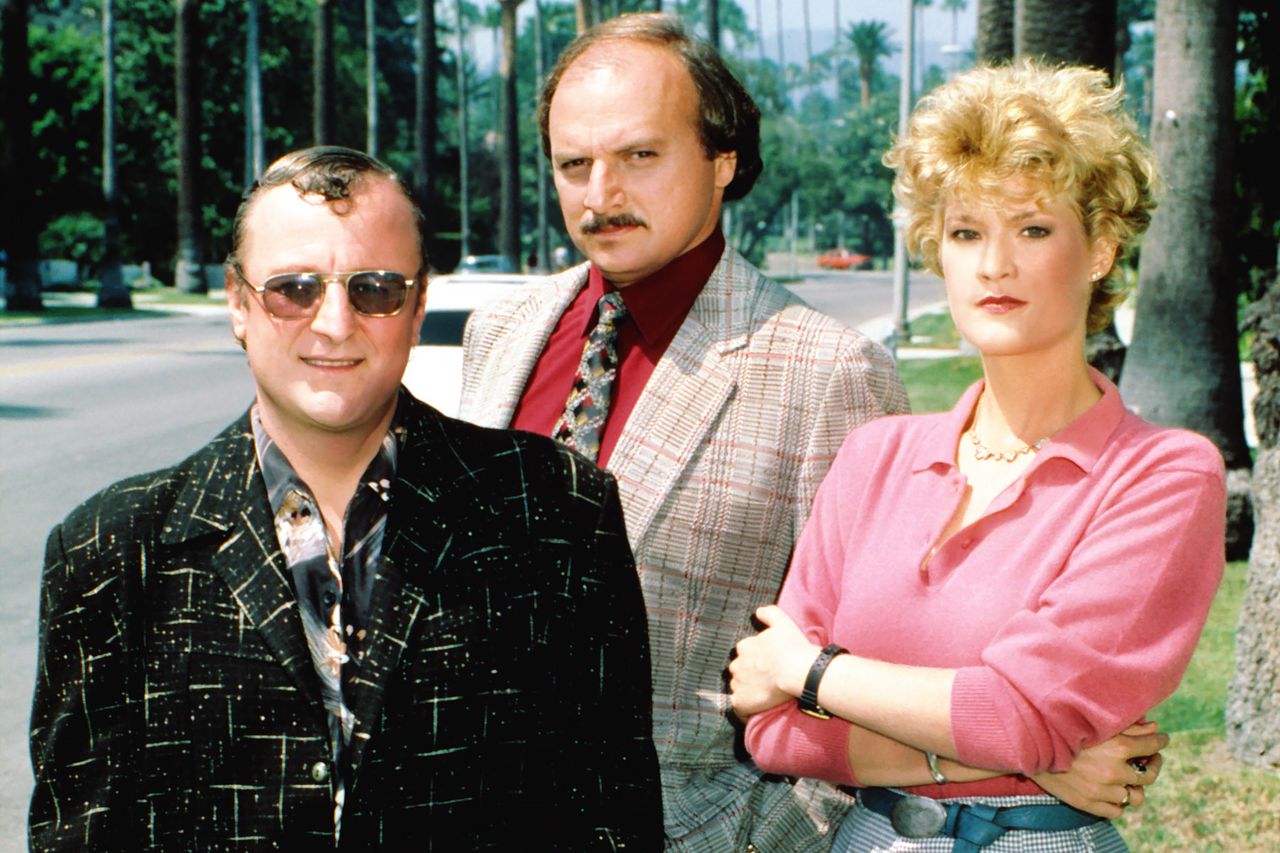
Peter Jurasik, Dennis Franz, and Dana Wheeler-Nicholson on ‘Beverly Hills Buntz’Credit: Courtesy Everett
Many a spinoff has followed the familiar “fish out of water” formula: taking a character and placing them in an unlikely location or situation. That was exactly the premise of Beverly Hills Buntz, which took Hill Street Blues cop Norman Buntz (Dennis Franz) and transplanted him to Beverly Hills to become a private detective.
Following Buntz to the West Coast was Sid “The Snitch” Thurston (Peter Jurasik), another popular recurring Hill Street Blues character. Despite NBC president Brandon Tartikoff’s hopes that Beverly Hills Buntz would become a major hit, the writing was on the wall when it took three attempts to get the pilot right. The show’s tonal shift from gritty police drama to comedy didn’t help matters, either. In the end, 13 episodes were produced, but only nine aired before NBC pulled the plug.
05 of 10
The Golden Palace (1992)
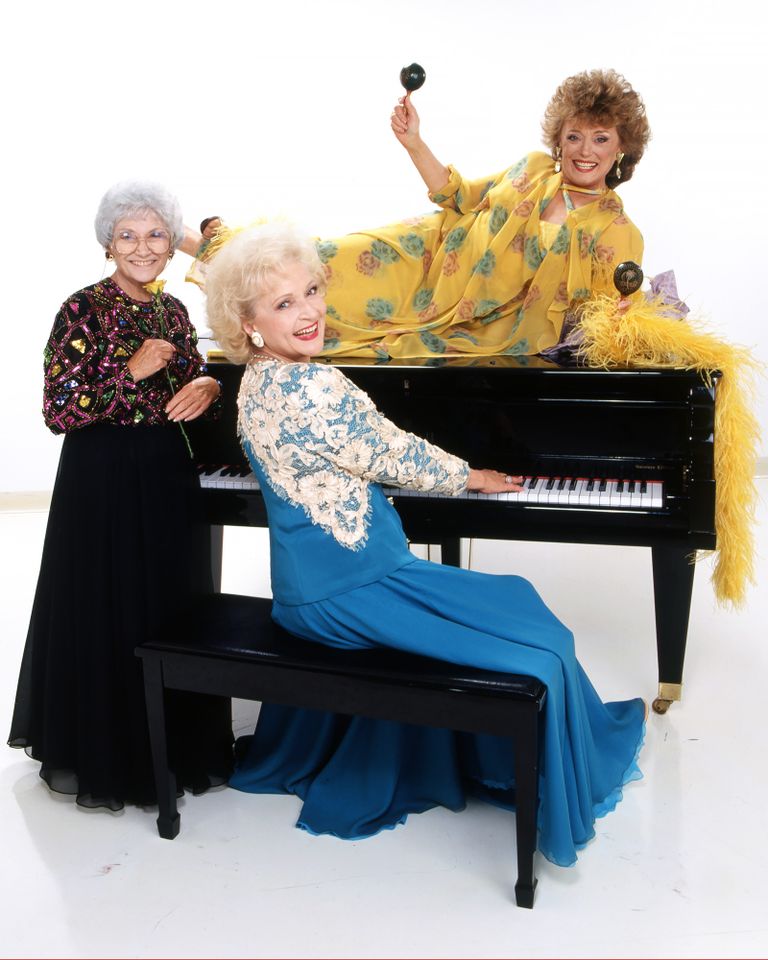
Estelle Getty, Betty White, and Rue McClanahan on ‘The Golden Palace’Credit: CBS via Getty
After seven seasons of The Golden Girls, Bea Arthur had decided that she was done, resulting in NBC bringing the series — which was still pulling high enough numbers to finish in the Nielsen Top 30 — to a conclusion with Arthur’s character, Dorothy Zbornak, getting married and moving away.
With Bea Arthur unwilling to continue, the producers decided against replacing Dorothy with a new roommate. Instead, series creator Susan Harris devised a continuation in which Rose (Betty White), Blanche (Rue McClanahan), and Sophia (Estelle Getty) purchase a Miami hotel called The Golden Palace. She successfully sold the series to CBS.
Advertisement
Also joining the cast were Cheech Marin as resident chef Chuy Castillos and future Oscar nominee Don Cheadle as hotel manager Roland Wilson. Despite a number of highly recognizable guest stars, including Barry Bostwick, Tim Conway and Harvey Korman, Dick Van Patten, Ricardo Montalbán, Eddie Albert, George Burns, Ned Beatty, and even a two-parter with Bea Arthur reprising her role as Dorothy, ratings continued to dwindle as the season progressed, and the series was canceled after a single season.
06 of 10
704 Hauser (1994)
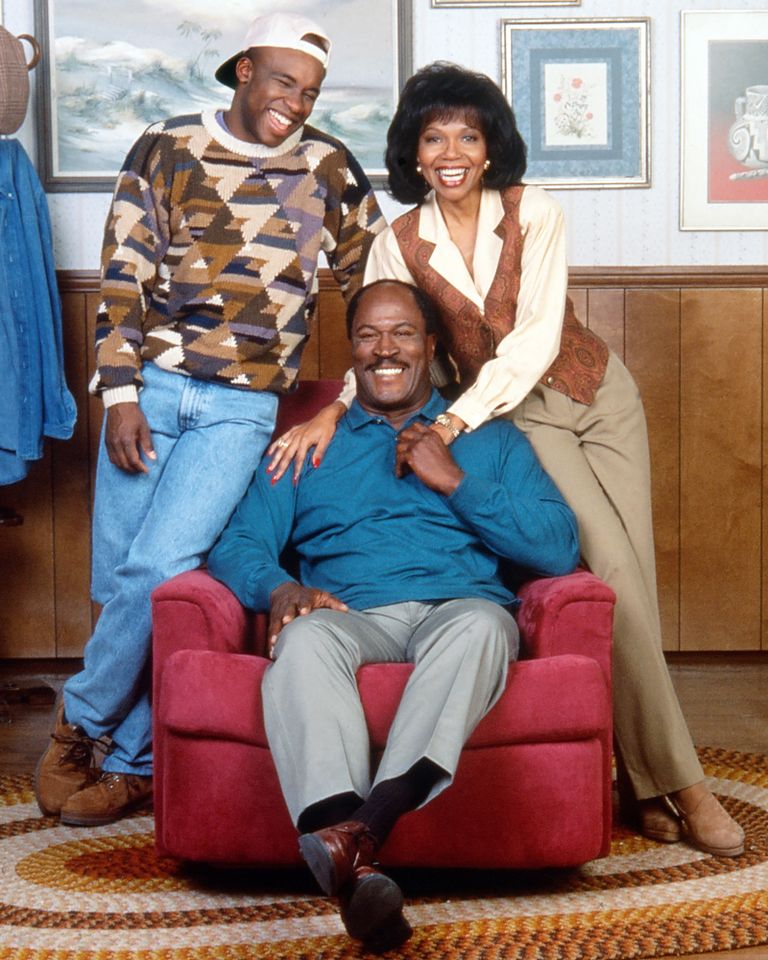
T.E. Russell, John Amos, and Lynnie Godfrey on ‘704 Hauser’Credit: Cliff Lipson/CBS/Courtesy Everett
By the 1990s, Norman Lear was producing far less television than he had during the ’70s, but he still had an interest in using sitcoms to explore the country’s political divisions. Influenced by the era’s increasingly combative political discourse, including the rise of conservative talk radio, Lear devised a new sitcom set at the very same address as his landmark All in the Family: 704 Hauser Street.
This time, however, Lear flipped the script. The home’s new owners, Ernie and Rose Cumberbatch (John Amos and Lynnie Godfrey), were working-class Democrats, while their son, Thurgood Marshall “Goodie” Cumberbatch (T.E. Russell), was a conservative activist. Goodie’s girlfriend, Cherlyn Markowitz (Maura Tierney), was white and Jewish. While conceptually interesting, audiences weren’t biting: CBS pulled the series after airing only five of its six produced episodes.
07 of 10
Baywatch Nights (1995)
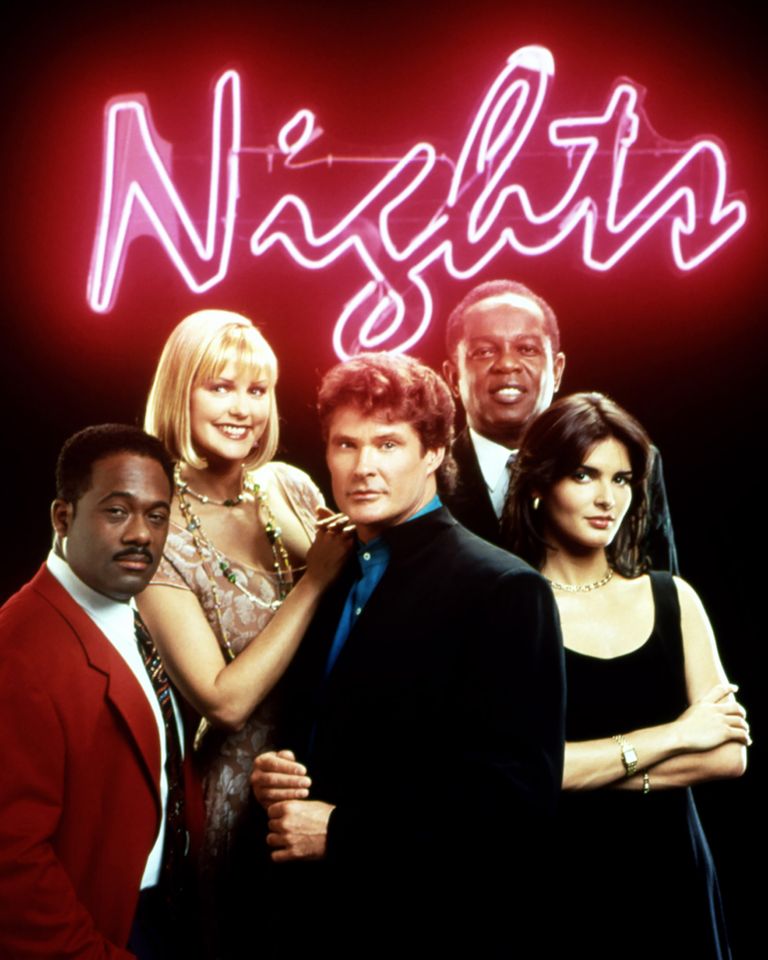
Gregory Alan Williams, Lisa Stahl, David Hasselhoff, Lou Rawls, and Angie Harmon on ‘Baywatch Nights’Credit: All-American Television/Courtesy Everett
When Baywatch Nights premiered, it wasn’t especially weird. In fact, it was largely an opportunity to position David Hasselhoff’s Mitch Buchannon as a man who saved lives on the beach during the day and helped solve crimes at night. The premise took shape when Mitch’s police-officer friend Garner Ellerbee (Gregory Alan Williams) quit the force to become a private detective.
When the show returned for its second season, however, its disappointing ratings — and the success of The X-Files — prompted producers to retool it as a paranormal drama. Garner was gone, and Mitch and Angie Harmon’s Ryan McBride were now aided by paranormal expert Diamont Teague (Dorian Gregory) as they investigated sea monsters, a Haitian voodoo cult, the Roswell incident, and a vampire. One episode even transported Mitch to a parallel universe.
Even with all of this insanity, the series still ended after its second season. Still, it’s absolutely worth seeking out season two to witness this madness firsthand.
08 of 10
Women of the House (1995)
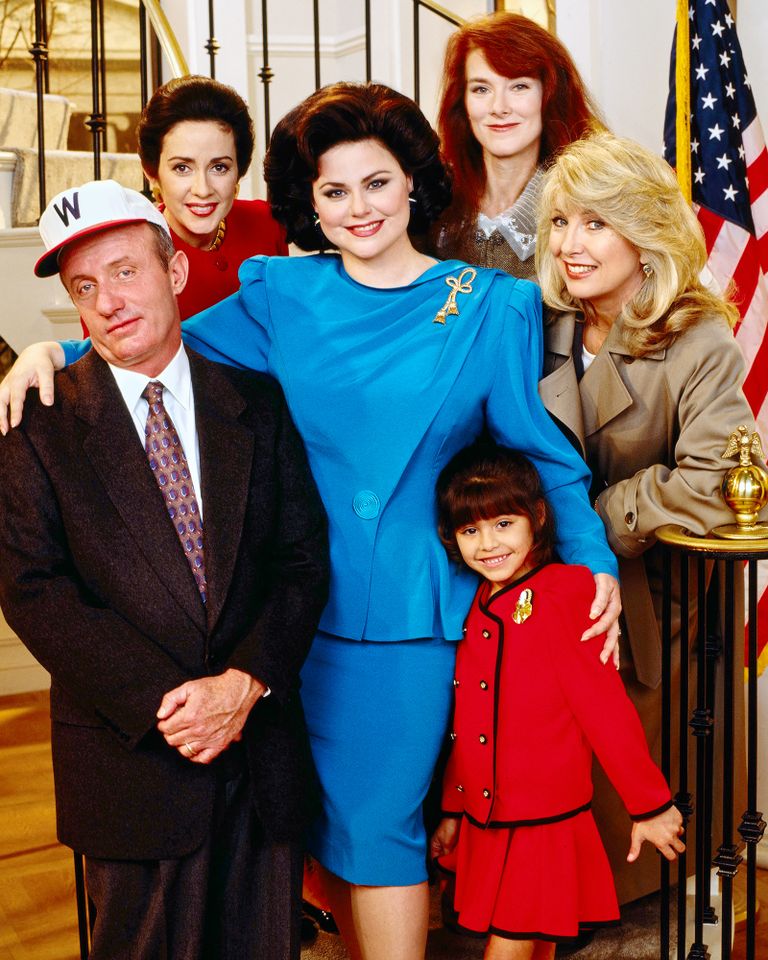
(Left to right) Jonathan Banks, Patricia Heaton, Delta Burke, Brittany Parkyn, Valerie Mahaffey, and Teri Garr on ‘Women of the House’Credit: CBS via Getty
When Designing Women ended its run in 1993, Suzanne Sugarbaker — played by Delta Burke — had already been gone from the show for two years, with Suzanne having moved to Japan to live near her mother. Burke’s departure followed a bitter, highly publicized offscreen battle with the show’s producers. Time heals all wounds, however, and by 1995 Burke reprised the character in the spinoff Women of the House. In the intervening years, Suzanne had returned to America, remarried, become a widow, and agreed to fill her late husband’s seat in Congress until an election could be held.
The impressive ensemble included Teri Garr, Patricia Heaton, Valerie Mahaffey, Julie Hagerty, and Lisa Rieffel, as well as future Breaking Bad star Jonathan Banks as Suzanne’s intellectually disabled brother, Jim. The show also featured numerous guest stars, including Designing Women alumni Meshach Taylor and Burke’s real-life husband, Gerald McRaney, reprising their respective roles as Anthony Bouvier and Dash Goff.
CBS pulled the series from its regular schedule after airing seven of its 13 episodes, though two more later aired on CBS and the remaining four aired on Lifetime.
Get your daily dose of entertainment news, celebrity updates, and what to watch with our EW Dispatch newsletter.
09 of 10
Team Knight Rider (1997)
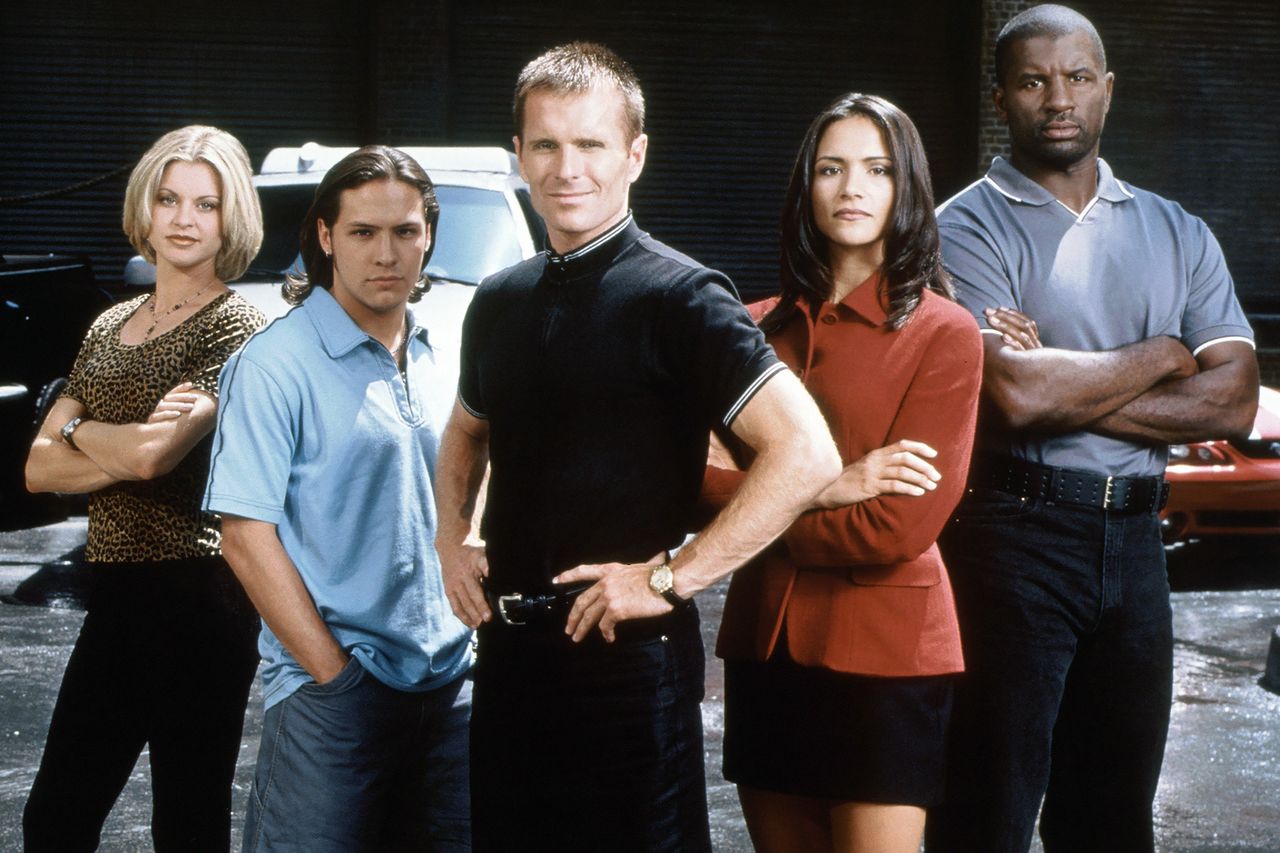
Kathy Trageser, Nick Wechsler, Brixton Karnes, Christine Steel, Duane Davis on ‘Team Knight Rider’Credit: MCA Universal/Courtesy Everett
What’s better than a talking car? How about five of ‘em? Would you believe three cars and two motorcycles? One can reasonably believe that at least some of these rhetorical questions were uttered during the development of Team Knight Rider, a syndicated series created by Rick Copp and David A. Goodman.
The Knight Rider spinoff revolved around the Foundation for Law and Government (FLAG), an organization that seeks out various types of criminals who operate “above the law.” The primary FLAG team consists of former CIA agent Kyle Stewart (Brixton Karnes), Gulf War veteran Jenny Andrews (Christine Steel), ex-Chicago cop Duke DePalma (Duane Davis), one-time con artist and thief Erica West (Kathy Trageser), and tech genius Kevin “Trek” Sanders (Nick Wechsler). Each has a vehicle, each vehicle has a different voice and personality, and… you get the idea.
In the closing moments of the finale, viewers saw the back of Michael Knight, but the episode ended on a cliffhanger, and the series wasn’t renewed, so… the Hoff never had to be hassled to actually appear.
10 of 10
The Lone Gunmen (2001)
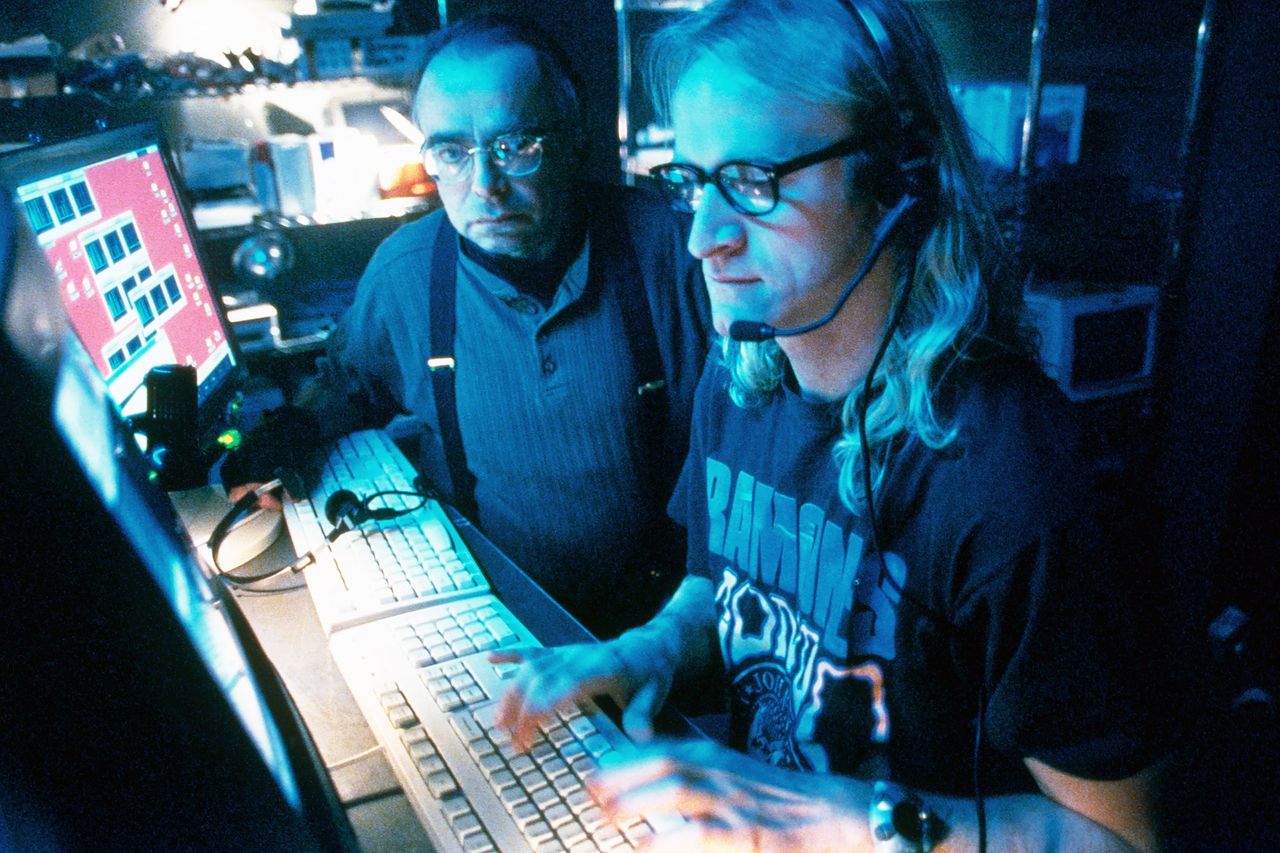
Tom Braidwood and Dean Haglund on ‘The Lone Gunmen’Credit: David Gray/20th Century Fox/Courtesy Everett
During the early seasons of The X-Files, whenever Fox Mulder needed information beyond his purview as an FBI agent, he invariably turned to the same trio of individuals: Byers (Bruce Harwood), Frohike (Tom Braidwood), and Langly (Dean Haglund), collectively known as the Lone Gunmen.
The characters’ popularity resulted in them getting their own series, providing an opportunity to delve into quirkier, conspiracy-driven storylines with less supernatural content than The X-Files and a greater emphasis on comedy. Alas, The Lone Gunmen only ran for 13 episodes before getting the axe, but here’s what’s really weird: The pilot, which aired on March 4, 2001, gained renewed attention six months later because of its plot, which — get this — involved a rogue faction within the U.S. government remotely hijacking an airliner, planning to crash it into the World Trade Center, and allowing anti-American terrorist groups to take credit for it.
“It was my very first thought when I saw what happened that morning,” executive producer Frank Spotnitz said in a 2026 interview with the Television Academy. “I thought, ‘Oh, my God, did they watch our show? Did they get this idea from us?‘ A year or so after, I read something that relieved me of that fear — but, wow.”
on Entertainment Weekly
Source: “AOL Entertainment”
